

One of the first questions business owners ask when planning a new website is simple:
How much will it cost?
Unfortunately, the answer isn’t as simple.
You can find someone offering a website for a few hundred dollars, while another developer or agency may quote several thousand or tens of thousands for what appears, at first glance, to be the same thing. The difference usually comes down to what is actually being built.
A five page informational website for a small business is fundamentally different from an ecommerce store processing hundreds of orders, a membership platform, a booking website, or a custom system integrated with a CRM and automated workflows.
Understanding what determines website pricing can help you set a realistic budget and, more importantly, understand what you’re actually paying for.
How Much Should a Professional Website Cost?
There isn’t one universal price, but a useful general range for professionally built websites in 2026 is:
| Website Type | Typical Project Range |
|---|---|
| Basic landing page | $300 – $1,000+ |
| Small business website | $700 – $3,000+ |
| Professional corporate website | $1,500 – $6,000+ |
| eCommerce website | $1,500 – $10,000+ |
| Advanced/custom website | $5,000 – $20,000+ |
| Custom web application | $10,000 – $50,000+ |
These are illustrative ranges rather than fixed industry prices. Location, developer experience, project scope and technical requirements can move the final cost significantly in either direction. For example, a freelancer may charge considerably less than a large digital agency because their overhead and team structure are different.
The better question is therefore not: How much does a website cost? It is: What does my business actually need the website to do?
1. The Type of Website You Need
Landing Page
This is usually the biggest factor, A landing page is generally a single page built around one specific objective.
That could be:
- generating leads
- advertising a service
- collecting registrations
- promoting an event
- launching a product
Because the scope is relatively contained, a landing page will normally cost less than a complete business website.
However, a professionally designed conversion focused landing page can still require substantial work involving copy structure, responsive design, forms, tracking and integrations.
2. Design
Template vs Custom
Another major cost factor is how much of the website is designed specifically for your business. A developer can start with an existing theme or template and customize it. This can be an excellent option for smaller budgets.
Alternatively, the website can have a more customized design system built around your branding, content and customer journey. That generally requires more:
research → wireframing → UI/UX design → development → responsive optimization → testing
Neither approach is automatically better.
The correct choice depends on the business.
A local service business may not need a completely bespoke interface, A company launching a distinctive digital product may.
3. The Platform You Choose
The technology behind the website also influences cost. Common platforms include:
WordPress
Flexible and suitable for business websites, blogs, directories, membership platforms and many other projects.
Woocommerce
Adds extensive eCommerce functionality to WordPress.
Shopify
Designed specifically around eCommerce and provides much of the store infrastructure out of the box.
Webflow
Popular for visually driven websites with powerful design capabilities.
Wix
Can work well for businesses wanting an accessible website management environment.
There is no single “best” platform for every project.
The platform should be selected based on what the website needs to accomplish now and what the business may need later.
4. Number of Pages
A website containing:
Home + About + Services + Contact
requires less work than one containing:
Home + About + 15 service pages + 30 location pages + portfolio + case studies + blog + FAQs + contact
More pages generally mean more:
- design work
- content formatting
- responsive testing
- SEO configuration
- images
- internal linking
- quality assurance
This is why professional quotes should define the expected number and type of pages.
5. ECommerce Functionality
eCommerce can range from extremely simple to highly complex.
Imagine two Shopify stores.
The first sells 15 straightforward products.
The second has 1,500 products, multiple currencies, international markets, subscriptions, product variants, custom product options, inventory synchronization and third-party integrations.
They’re both technically “Shopify websites.”
They’re not remotely the same development project.
Features such as custom checkout logic, subscriptions, wholesale functionality, advanced filtering and external inventory systems can increase development requirements substantially.
6. Custom Features and Integrations
This is where website costs can increase quickly.
A business may need its website connected to:
Stripe, PayPal, HubSpot, GoHighLevel, Mailchimp, Google Analytics, Google Tag Manager, Calendly, Supabase, Zapier, Make, n8n or a completely different third party platform.
The website may also need to send information automatically between different systems.
For example:
Customer submits enquiry → CRM creates lead → salesperson receives notification → automated email is sent → lead enters follow-up workflow.
That’s no longer just website design.
7. Content Can Affect the Price
Who is providing the content? If the client supplies finished:
- text
- photographs
- videos
- product information
- branding assets
the developer can focus primarily on design and implementation. If the project also requires copywriting, product descriptions, photography, graphics or content restructuring, those become additional areas of work.
This is particularly important for ecommerce. Uploading and properly organizing 500 products is substantially different from uploading 10.
8. Professional Photography Can Change How a Website Feels
A professionally designed website can still look inexpensive when populated with poor quality images. This is particularly noticeable with:
ecommerce products
restaurants
fashion brands
corporate teams
events
personal brands
beauty businesses
hospitality
Strong photography can improve perceived quality before a visitor reads a single paragraph.
For product businesses, photography also helps customers understand exactly what they’re considering purchasing.
This is why photography should sometimes be considered part of the overall website investment rather than an unrelated expense.
9. SEO
Installing an SEO plugin doesn’t automatically optimize a website. Technical and on page SEO can involve:
- page structure
- title tags
- meta descriptions
- heading hierarchy
- internal links
- image optimization
- schema
- indexability
- URL structure
- mobile usability
- website performance
- keyword targeting
If organic search is an important customer-acquisition channel, SEO should be considered during the website build not only after launch.
10. Website Speed and Performance
Performance optimization can also affect project cost. Large images, excessive plugins, poorly written scripts and heavy animations can all negatively affect loading performance. Depending on the project, optimization may include:
- image compression
- WebP/AVIF implementation
- caching
- code optimization
- CDN configuration
- database optimization
- plugin cleanup
- hosting configuration
Building with performance in mind from the beginning is usually preferable to trying to repair a heavily bloated website afterward.
Cheap Website vs Professional Website
Suppose you receive two quotes:
Developer A: $300
Developer B: $2,000
It would be a mistake to assume Developer B is automatically overpriced. It would also be a mistake to assume the $2,000 website must automatically be better. Compare the scope. Does the quote include:
- responsive design?
- custom pages?
- ecommerce configuration?
- SEO fundamentals?
- analytics?
- speed optimization?
- forms?
- security?
- integrations?
- revisions?
- testing?
- post-launch support?
- training?
- backups?
Price without scope tells you very little.
Questions to Ask Before Hiring a Web Designer
Template vs Custom
Before choosing someone to build your website, ask:
- What exactly is included in the quote?
- How many pages are included?
- Will the website be mobile responsive?
- Can I update the website myself?
- Who owns the website after completion?
- Are premium plugins/themes required?
- Are there recurring costs?
- Is basic SEO included?
- Are analytics installed?
- What happens after launch?
- How are revisions handled?
- Can I see previous work?
Clear answers help prevent disagreements later.
Build Around Your Business, Not a Price Tag
At GreatCorp, we approach website projects around what the business actually needs. That can include professional web design and development, WordPress, Shopify, Woocommerce, eCommerce development, UI/UX, SEO, business automation, third party integrations and professional visual content. The objective isn’t simply to put pages online. It’s to create a digital experience that represents the business professionally and gives it the technical foundation to grow.
Planning a new website?
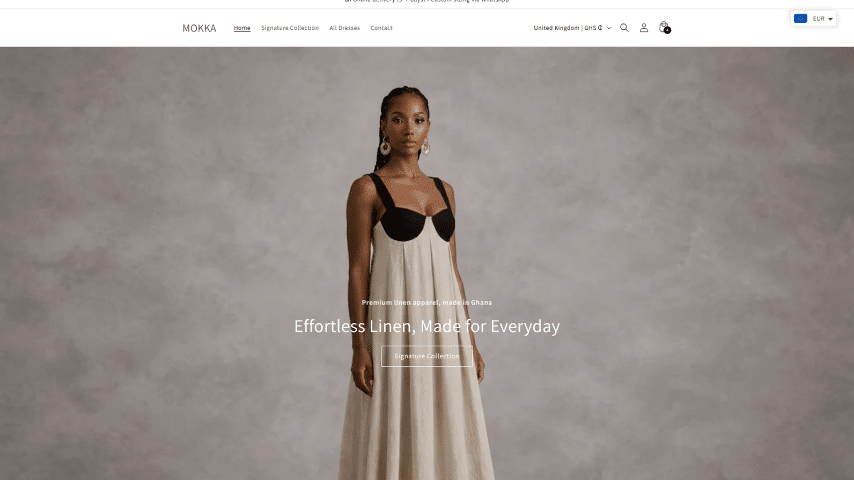
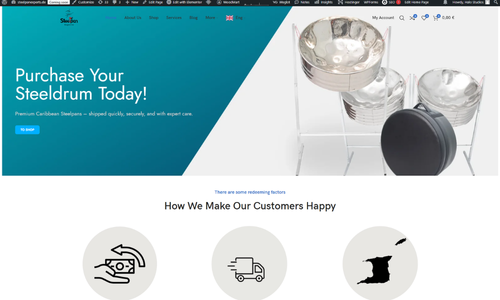
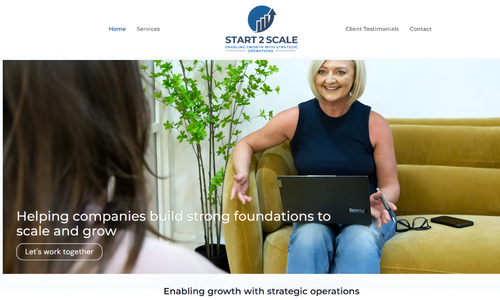
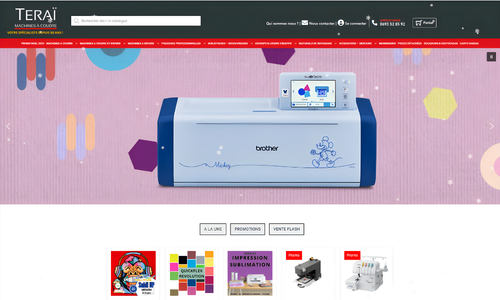
Our work
Selected work. Built for real business and clients
Learn more





















Hi, this is a comment.
To get started with moderating, editing, and deleting comments, please visit the Comments screen in the dashboard.
Commenter avatars come from Gravatar.